
Photo Credit: Pinterest.com
“And behold, one of the children of Israel came and brought unto his brethren a Midianitish woman in the sight of Moses, and in the sight of all the congregation of the children of Israel, who were weeping before the door of the tabernacle of the congregation. Then Phinehas, the son of Eleazar, the son of Aaron the priest, saw it, he rose up from among the congregation and took a javelin in his hand. And he went after the man of Israel into the tent, and thrust both of them through, the man of Israel, and the woman through her belly. So the plague was stayed from the children of Israel.” – Numbers 25:6-9
In every nation, region and domain where humans exist, God always looks for men and women who will represent the interest of heaven as intercessors. The art of prayer is common, but the art of intercession is not as common in today’s world. Without men and women who are willing to stand in the gap, whole nations and territories will be devastated by the activities of darkness. In standing in the gap, we make supplication to God for an individual or a people to spare them of the wrath of God.
The art of prayer is common, but the art of intercession is not as common in today’s world. Without men and women who are willing to stand in the gap, whole nations and territories will be devastated by the activities of darkness.
Standing in the gap could be in prayer, or in taking change-initiating actions on the behalf of God for the good of an individual or a people. Drawing salient lessons from the life of Phinehas, the son of Eleazar and grandson of Aaron, let’s look at the qualities of men and women who are required to stand in the gap.
Intercessors see from God’s perspective: The abominable act committed by the Israelite who brought in a Midianitish woman was seen by all Israel, including Moses. They all saw it and did nothing. However, when Phinehas saw it, he didn’t sit still as the others but acted. His action was what appeased the anger of God. What every other person may see and jest or laugh about could form the burden for intercession in the heart of an intercessor. In order to see from God’s perspective, the intercessor must first have the mind of Christ as commanded by the Word of God (Philippians 2:5). While on earth, Christ’s words and actions were a direct expression of the Father’s will. In possessing His mind, the intercessor must love what Christ loves and hate what He hates.
How do you view life? Do you see men as God sees them or you see them as trees? Does the wretched condition of the unsaved drive you to deliberate and intensive intercession for him or you only view him as a candidate of hell? Do you see as the multitude see or you see men the way God sees them? The multitude may be wrong but God is always true (Romans 3:4). There is also the need for the intercessor to have the eyes of his understanding lit up so that he can see what God’s purpose is as he perseveres in intercession (Ephesians 1:18).
There is also the need for the intercessor to have the eyes of his understanding lit up so that he can see what God’s purpose is as he perseveres in intercession
Intercessors Act on God’s behalf on Earth: It is one thing to see the decay in the society and the miserable situation of sinners, and yet another to act. Phinehas didn’t only see and remain seated like the others but acted. He acted for God’s glory. He acted to spare the Israelites of God’s wrath. He didn’t sit there waiting for the elders to act; he didn’t need to follow the norm as desperate situations require desperate measures. There was a state of emergency which required instant action, and he immediately availed himself to God for that purpose. He cared less about what others would say, or what their opinion of him would be. He saved the day by one action for God; he appeased God’s wrath by acting swiftly. He was indeed a young man with a difference. In your workplace or business place, what have you done about the corruption and malpractice? Do you just murmur and complain? Do you only gossip and argue about the state of your nation? That act would rather cause more damage than good. God wants you to take responsibility in fixing the issues that is why you’re seeing things differently. The least you can do is to pray! Pray about it than you talk about it. As you pray, God could begin to prompt your heart to take other fruitful measures.
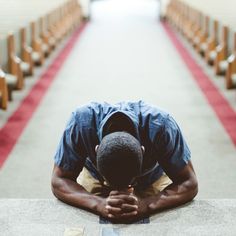
Intercessors are People of Prayer: Phinehas as a priest had the primary responsibility of mediating between God and the Israelites. The priest did that by offering sacrifices and making atonement on behalf of the people. The intercessor must have a living closet with God; they must for sure have audience with God before having audience with men. If they have not secured God’s attention in fellowship, they cannot stand before God for men. The Old Testament priests were not strangers to God’s presence, they had direct access to God through their intercessory role in the Holy of Holies. Therefore, the intercessor must first be a person of prayer before he can intercede for others. Phinehas did what he did because of his intimacy with God. He was no stranger before God. God had to commend and reward him for his action. If you’re not a person of prayer, you cannot be a person of intercession. The intercessor is a man who must learn perseverance and tenacity in prayer. Of Elijah we are told, he prayed and prayed again in order to restore the withheld rain (James 5:17-18). In 1Kings 18:42-44, the Bible also says he bent over in prayer and sent his servant to check the emergence of the rainy cloud seven times. Only God knows the number of hours he might have spent in prayer before the little cloud showed up. You learn intercession and grow in it through prayer. Prayer is a lifestyle of intercessors. Burdens are received, nurtured and expressed through prayer.
If you’re not a person of prayer, you cannot be a person of intercession. The intercessor is a man who must learn perseverance and tenacity in prayer.
Intercessors are zealous for God’s Honour: God said of Phinehas, “He was zealous for my honour…” (Numbers 25:11). His action was not based on eye service or self-gratification but in honour to God. He was indeed jealous for God; he couldn’t just sit and see the camp of his God being defiled while the people of God were being punished. His action was to glorify God, and indeed God was glorified. Why do you do the things you do in the name of God? Do you just do what you do for show-off or to attract the praises of men? Jesus said you already have your reward (Matthew 6:2). As an intercessor, what is your motivation for intercession? The glory of God is a cardinal motivation of intercessors for intercession. God is glorified when the intercessor prays souls from darkness into the Kingdom of God. God is glorified when the intercessor prays a whole nation or region out of damnation into total freedom and righteousness. God is glorified when His interest is our utmost motivation for intercession. Phinehas got this and was rewarded for it.
In conclusion, Phinehas was one man who turned the wrath of God from destroying Israel after the death of about twenty-four thousand Israelites. One intercessor saved a whole nation from damnation. Do you think you are alone in that family? Are you the only believer in your workplace or school? You can make a difference for God like Phinehas by standing in the gap. As you avail yourself for this Kingdom assignment of intercession, may God grant you grace. Amen!
 World Changers Magazine