
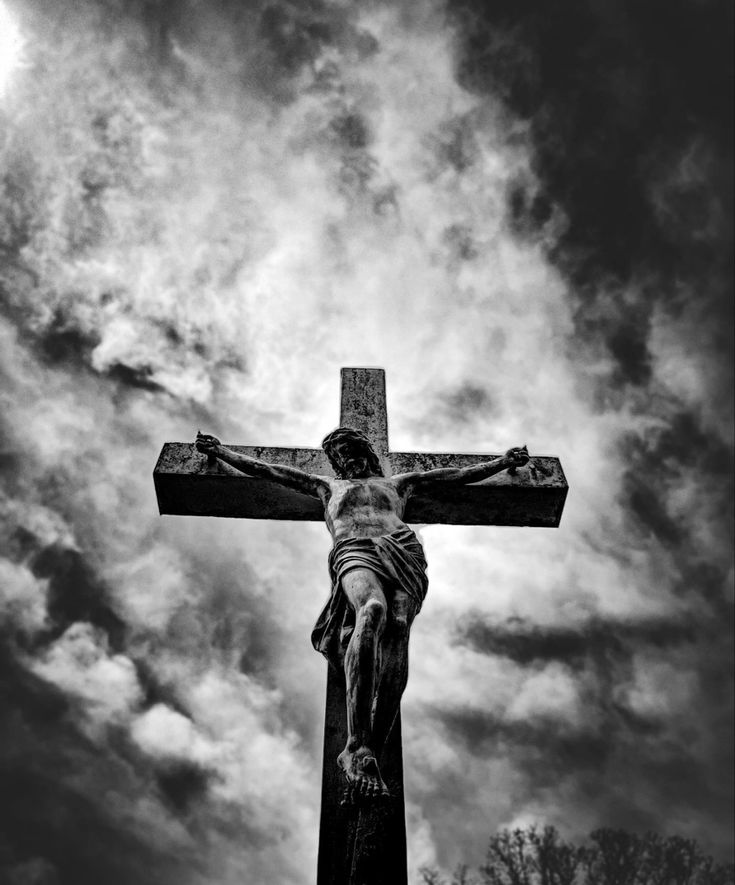
Photocredit from Pinterest.com
“It is because of him that you are in Christ Jesus, who has become for us wisdom from God—that is, our righteousness, holiness and redemption.” — 1 Corinthians 1:30
It’s Easter, Hallelujah! We celebrate the resurrection of Jesus Christ from the dead; we celebrate the victory of life over death, of light over darkness and of the triumph of God’s love for humanity. As one songwriter says, “Death is dead, love has won, Christ has conquered.”
When God finished this work of salvation, He, in his determinate counsel, chose you to be numbered among those who would receive salvation through Jesus Christ. Our key text above says, “It is because of him that you are in Christ Jesus”. The ‘him’ because of who you are in Christ is God himself. He is decisive in salvation. None of us, born sinners, has in our spiritually dead state, the capacity to love God and seek after him. “The sinful mind is hostile to God. It does not submit to God’s law, nor can it do so” (Romans 8:7). Only the work of God in the heart of anyone brings a person to faith in Christ, “for it is God who works in you to will and to act according to his good purpose” (Philippians 2:13). So when you heard the gospel of salvation and believed, it was God at work in you, “For it is by grace you have been saved, through faith—and this not from yourselves, it is the gift of God” (Ephesians 2:8). Therefore, Paul was right and consistent when he told the Corinthians believers, and us by extension, that “It is because of him that you are in Christ Jesus”. If not for Him, you wouldn’t be in Christ. In the first Easter, God in Christ paid the full price that was required for your salvation to be put into effect. On his dying cross, Jesus declared that work was finished (John 19:30). After that, he worked in you to believe in the finished work and be saved. It is because of him that you are in Christ; you have been grafted into him. This staggers me, allow it to stagger you too: when the angels sinned, God let them be lost; but when you sinned, He sent Jesus to die for you. He has worked to bring you to saving faith in him.
None of us, born sinners, has in our spiritually dead state, the capacity to love God and seek after him.
Wisdom from God
Jesus is God’s wisdom personified; He is God’s wisdom for our salvation and glory. He is “the mystery of God”, in him “are hidden all the treasures of wisdom and knowledge” (Colossians 2:3). He is “a mystery that has been hidden and that God destined for our glory before time began. None of the rulers of this age understood it, for if they had, they would not have crucified the Lord of glory” (1 Corinthians 2:7-8).
Jesus is infinitely higher than we are, yet He chose to give himself for and to us. Paul says He has become to us wisdom from God. That sounds very personal to me. In his wisdom, God chose the weak and foolish things of this world, including you and I, to shame the strong and the wise (1 Corinthians 1:27-28). Left to our devices, we are foolish. Lest that offends you, remember the innumerable unwise, self-destructive and hell-deserving choices you have made in your life. Though we were foolish, sinful, guilty and liable to just punishment, He chose to make us wise unto salvation in Jesus Christ. That is, He is to us the source of wisdom; it is by Him that we are made wise. It is by Him that we can prefer good over evil, life over death. Without His wisdom, our natural inclinations and preferences are for sin that imperils our souls. The wisdom we now have is of Christ. He didn’t just mail this wisdom to us, He himself has become for us wisdom from God. He goes on to guide us by the wisdom of His word. The Psalmist says, “Your commands make me wiser than my enemies, for they are ever with me. I have more insight than all my teachers, for I meditate on your statutes. I have more understanding than the elders, for I obey your precepts” (Psalm 119:98-100).
Though we were foolish, sinful, guilty and liable to just punishment, He chose to make us wise unto salvation in Jesus Christ. That is, He is to us the source of wisdom; it is by Him that we are made wise. It is by Him that we can prefer good over evil, life over death
There are three dimensions from our key scripture, in which Christ has become for us wisdom, namely, our righteousness, holiness and redemption. It is to these that we turn now.
Christ Our Righteousness
It is through Christ that we become righteous in the sight of God. Outside of Christ, all our acts of righteousness are like filthy rags before God (Isaiah 64:6). It is true that “he who does what is right is righteous” (1 John 3:7) but self-righteousness doesn’t cut it. For many, what constitutes righteousness is what they do or don’t do; it is about perfection in law-keeping. But “by observing the law no one will be justified” (Galatians 2:16). None of us can come to a point of moral perfection as far as obeying the law is concerned, for “we all stumble in many ways” (James 3:2). As far as the law is concerned, “whoever keeps the whole law and yet stumbles at just one point is guilty of breaking all of it” (James 2:10). The Israelites tried this and failed woefully. Paul says of them, that “they did not know the righteousness that comes from God and sought to establish their own, they did not submit to God’s righteousness” (Romans 10:3). Their search for a righteousness of their own failed to achieve its purpose. The law was inherently designed for that to happen, so that anyone who wanted righteousness would look not at themselves but at God’s provision, namely Christ. “Christ is the end of the law so that there may be righteousness for everyone who believes” (Romans 10:4). The righteousness that we have in Christ is by faith — trusting in His complete obedience to, and right-standing with, the Father. This righteousness is a gift; it is the righteousness of Christ imputed to the account of the one who believes in Jesus. The Living Bible renders Romans 10:4 this way: “They don’t understand that Christ gives to those who trust in him everything they are trying to get by keeping His laws. He ends all of that.” This is what made Abraham righteous. He believed God and “it was credited to him as righteousness” (Romans 4:22). Was that something that God did exclusively for Abraham? No, his was a foreshadowing of what was to come. Hear this glorious statement: ‘The words “it was credited to him” were written not for him alone, but also for us, to whom God will credit righteousness—for us who believe in him who raised Jesus our Lord from the dead” (Romans 4:23-24). Therefore, this righteousness is not of ourselves but of Christ, who shares his with us as we are joined to Him by faith. He becomes our righteousness; He has become our righteousness.
The righteousness that we have in Christ is by faith — trusting in His complete obedience to, and right-standing with, the Father. This righteousness is a gift; it is the righteousness of Christ imputed to the account of the one who believes in Jesus.
Does any of what I’ve said give us the license to live carelessly? Absolutely not. Let Romans 6:1-4 answer that: “What shall we say, then? Shall we go on sinning so that grace may increase? By no means! We died to sin; how can we live in it any longer? Or don’t you know that all of us who were baptized into Christ Jesus were baptized into his death? We were therefore buried with him through baptism into death in order that, just as Christ was raised from the dead through the glory of the Father, we too may live a new life.”
Christ Our Holiness
The NIV defines ‘Holiness’ as “being separate or set apart.” It goes on to explain that “God is holy in that he is set apart from everything that is not God, and God’s people must be holy by being set apart from sin.” It is in that same sense that other versions render the word ‘Holiness’ in the NIV as ‘Sanctification’ (KJV) or ‘Consecration’ (Smith’s Literal Translation). Sanctification means to make holy or be set apart (separate) for God. The Easton Bible Dictionary says this “involves more than a mere reformation of character, brought about by the power of truth; it is the work of the Holy Spirit bringing the whole nature more and more under the influences of the new gracious principles implanted in the soul in regeneration. In other words, sanctification is the carrying on to perfection the work begun in regeneration, and it extends to the whole man.” It should be clear to even the most casual reader that this kind of thing is beyond the capacity of human effort to achieve. Whereas there would be things you would not do, it goes far beyond dos and don’ts; it is a being that only Christ can accomplish. In those who are justified by faith Christ works continually by His Spirit to produce this new holy life. Paul said in Romans 6:22, “But now that you have been set free from sin and have become slaves to God, the benefit you reap leads to holiness, and the result is eternal life.” In union with Christ, his righteousness is imputed into our account and that righteousness is perfect, but not inherent; sanctification makes that inherent. The writer of the letter to the Hebrews confirms that when he says, “By one sacrifice he has made perfect forever those who are being made holy” (Hebrews 10:14). While we continue on this journey, He continues to sanctify us by the truth which is His word (John 17:17). This is what Christ has become for us — our holiness.
Whereas there would be things you would not do, it goes far beyond dos and don’ts; it is a being that only Christ can accomplish. In those who are justified by faith Christ works continually by His Spirit to produce this new holy life.
Christ Our Redemption
Redemption is the purchase back of something that had been lost, by the payment of a ransom (Easton). There is a sense in which our salvation has been spoken of us involving the cancellation of the debt we owed. Paul said Christ “cancelled the written code, with its regulations, that was against us and that stood opposed to us; he took it away, nailing it to the cross” (Colossians 2:14). He didn’t ‘cancel’ that by sheer force; he paid the debt fully. The life of Jesus Christ, which He surrendered when He hung on the cross for us, is the full ransom by which our deliverance from the servitude to sin and from its penal consequences is secured. Jesus did disarm principalities and powers by the power of his cross; he instructs us by His word and his example; He exerts a moral influence on us through his Spirit, but divine justice had to be satisfied for us to be saved. That satisfaction of divine justice is the ransom He paid by his death on the cross. It is that that secures our freedom. In Paul’s farewell speech to the leaders of the church in Ephesus, he told them to, “Be shepherds of the church of God, which he bought with his own blood” (Acts 20:28); he told the Corinthians that they “were bought at a price” (1 Corinthians 6:20); the Galatians were told: “But when the time had fully come, God sent his Son, born of a woman, born under law, to redeem those under law, that we might receive the full rights of sons (Galatians 4:4); “In him we have redemption through his blood” (Ephesians 1:7) the Ephesians were informed.
Christ is our redemption; He himself became the price that was paid for our salvation.
See what glorious truths Christ has become for us. Live in these truths this Easter season and always. It is why Jesus came. He “has become for us wisdom from God—that is, our righteousness, holiness and redemption.”
 World Changers Magazine